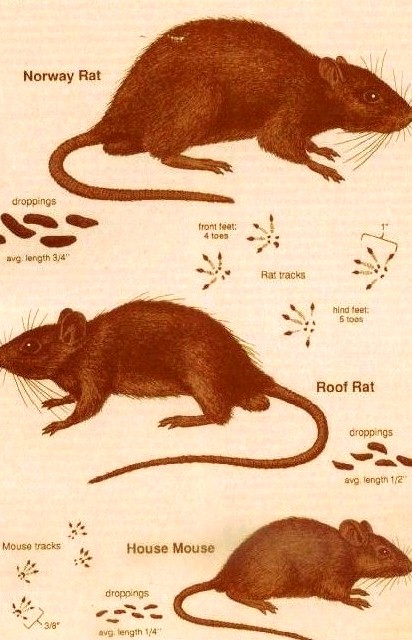
Tracks: Footprints and tail drag of rats can be seen in dusty areas. Use dust like baby powder or flour and lightly dust the suspicious area to see if rats or rodents are using a pathway. Wet or moist soil will also show tracks. Commensal rodents have five toes on the hind feet and four toes on the front feet. Usually, the hind feet leave the most tracking.
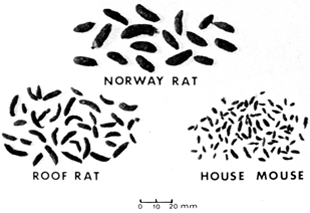
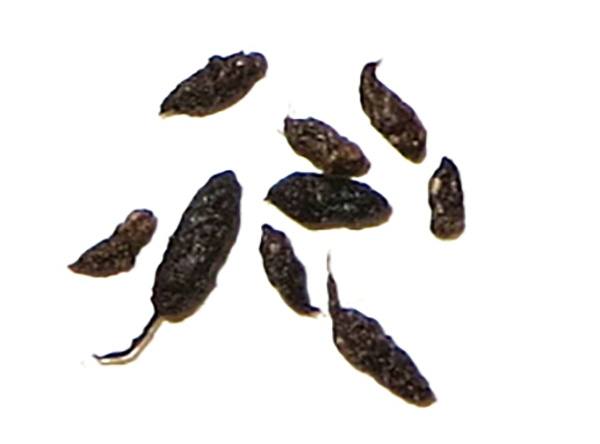
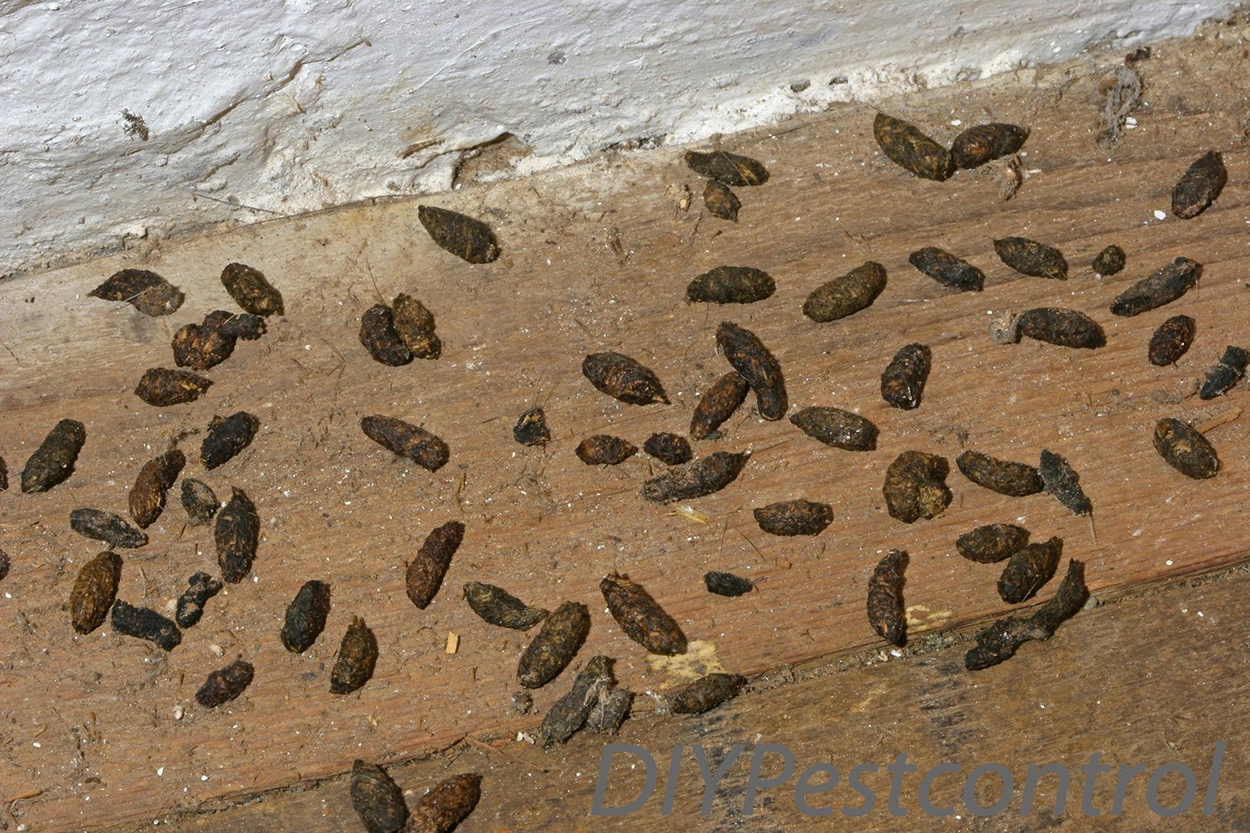
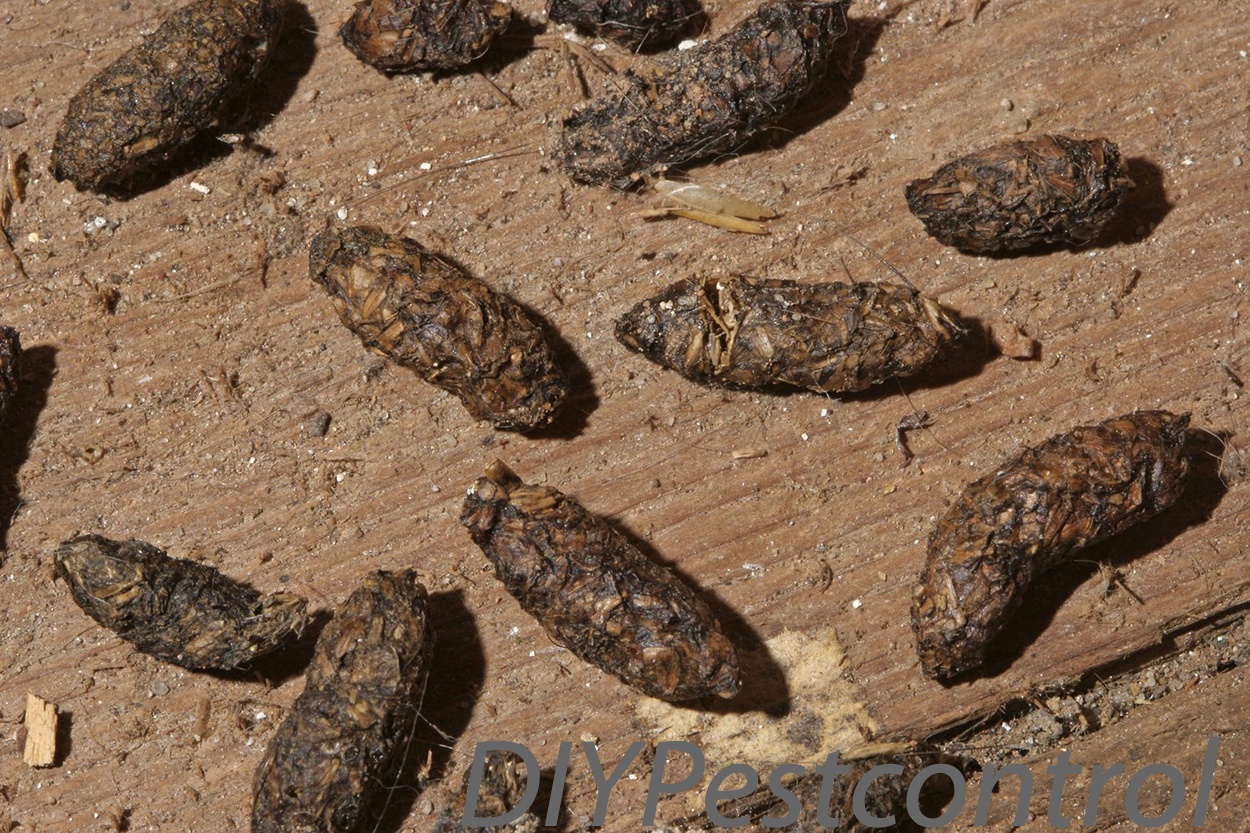
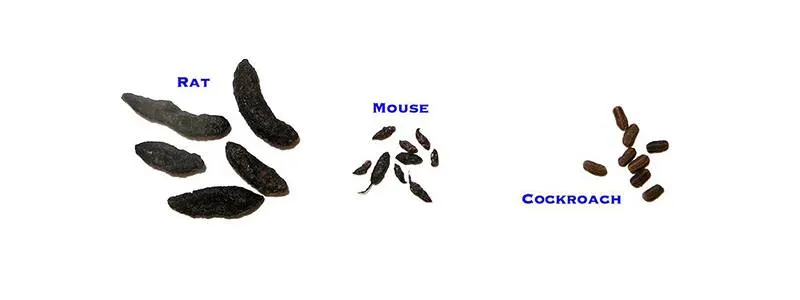
Droppings (Pellets): When inspecting, keep in mind that you are looking for signs of activity: gnawing, droppings (fecal pellets), and tracks. A recent dropping is softer in texture than an older fecal material of three days or more. They will also be darker in color than older droppings. This coloration will help you determine if your rodent population is current. The more droppings you have, the larger the rodent population.
Gnaw Marks: Newer gnaw marks will be rougher around the edges than older gnaw marks. Mice make clean-cut holes, and rats make holes with rough and torn edges. The mouse hole is about 1-1/2 inches in diameter. The rat-hole is 2 inches or more. It is common for rats to gnaw on wooden structural objects such as door corners, joists of flooring and ceilings, and wall studs.
Burrows: Rats (most often the Norway rat) may burrow along foundations and walls, beneath shrubbery or debris. The burrow entrance of a rat looks smooth and compacted. You may find fresh soil near the entrance that has been kicked out. To check to see if a burrow is active, stuff some paper into it and check the following day for its removal. Roof Rats will more than likely be found on the ground in such places as woodpiles, bushes, vines, or trees. Mice will burrow, but most mouse holes are beneath slabs inside a building. The entry points to these burrows are cracks in the slabs, beneath expansion joints, or near support pillar footings.